
1/8 inch Rule and Epoxy Pitfalls: Tile Grout Types for Homeowners
Practical grout advice for homeowners: use the 1/8 inch joint rule, when to choose epoxy versus cement, and how to avoid common DIY epoxy mistakes.
1/8 inch Rule and Epoxy Pitfalls: Tile Grout Types for Homeowners
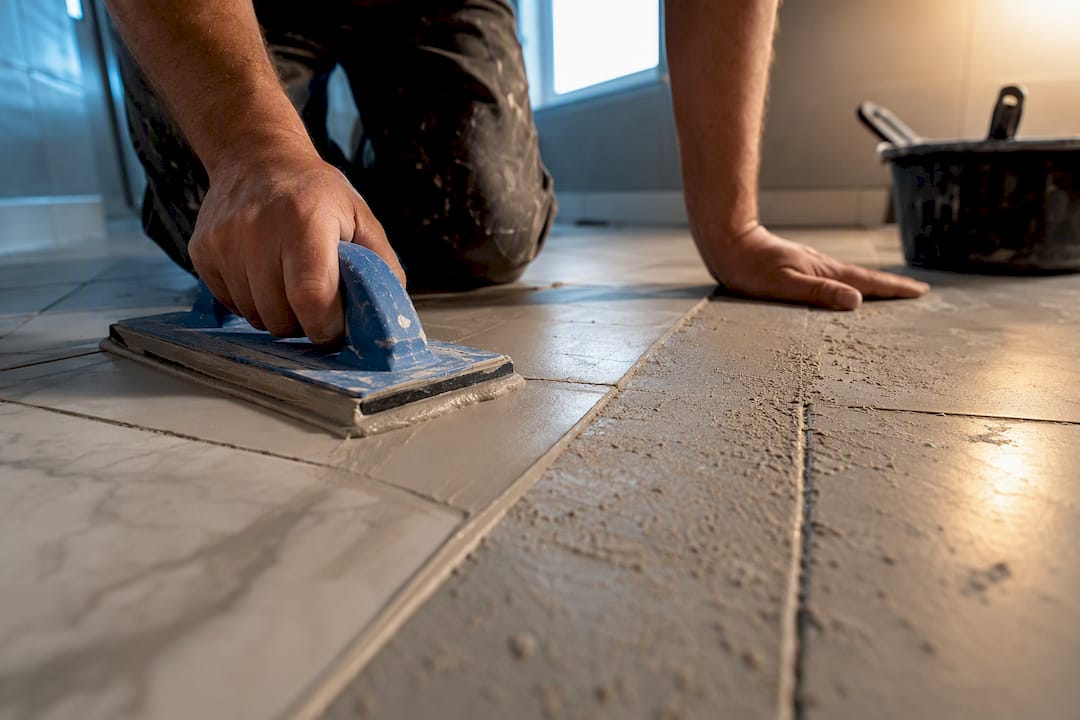
Grout splits into two families: cement-based (sanded, unsanded, polymer-modified) and resin-based (epoxy, premixed). The quick rule is joint width plus location: under 1/8 inch, use unsanded or epoxy; 1/8 inch and wider, use sanded or polymer-modified. Showers usually call for epoxy. Cement grout typically needs sealing; epoxy usually doesn’t.
TL;DR:
- Epoxy grout is ideal for showers and wet areas because it requires no sealing and resists mold, mildew, and stains better than cement-based options.
- For joints narrower than 1/8 inch, unsanded or epoxy grout is recommended, while wider joints over 1/8 inch are best with sanded or polymer-modified cement grout.
- Homeowners should weigh epoxy’s higher cost and installation difficulty against its long-term durability and minimal maintenance needs.
- Sealing cement-based grout is necessary every one to two years, unlike epoxy, which maintains resistance without sealing.
- Proper professional installation is crucial, especially for epoxy grout, to avoid haze, cracks, or leaks that can occur with DIY efforts.
Table of Contents
- Tile Grout Types Explained: Sanded, Unsanded, Epoxy, and More
- How to Choose the Right Grout for Your Project
- DIY vs. Hiring a Pro for Grout Installation
- Grout Maintenance, Sealing, and Color That Actually Holds Up
- Buying Grout: What to Check on the Label
- What Installers Actually Choose (and What Homeowners Get Wrong)
- Grout’s Environmental Footprint and Greener Choices
- Durability and Stain Resistance, Grout by Grout
- Moisture and Mold Resistance Across Grout Types
- Comparing Grout Costs from Budget to Premium
- An Installer’s Honest Take on Grout Choice
- Get Professional Grout and Tiling Work Done Right in Cardiff
- Sources
- FAQ
Tile Grout Types Explained: Sanded, Unsanded, Epoxy, and More
Walk into any tile aisle and you’ll see bags and tubs labeled with terms that mean almost nothing until someone breaks them down. Here’s what each grout actually is, and where it earns its keep.
Sanded cement grout is the default for most floors. It’s cement mixed with fine sand, which gives it body and prevents shrinkage cracks in wider joints. Use it for joints of 1/8 inch or more. It’s porous, so it absorbs moisture and stains if left unsealed, and most installers seal it within a few weeks of curing.
Unsanded cement grout skips the sand, leaving a smoother, creamier mix. That matters for two reasons: it won’t scratch soft or polished surfaces, and it packs cleanly into tight spaces. Use it for joints narrower than 1/8 inch, and for glass tile, polished marble, or anything that a gritty mix could mar.
Polymer-modified cement grout blends standard cement grout with acrylic or latex additives. It’s still porous and still generally needs sealing, but the resistance to water and staining improves noticeably over a plain cement mix. It sits as a middle ground: still affordable, still workable by hand, but tougher than the grout your grandparents used. The Spruce’s breakdown of grout types points to these modified cement formulas as a practical step up for homeowners who want better performance without jumping straight to epoxy.
Epoxy grout is resin and hardener, not cement at all. It cures into a non-porous, waterproof surface that resists mold, mildew, and chemical stains far better than any cement product. That’s why MAPEI’s guidance on shower grout treats epoxy as the top pick for wet areas, despite the higher price and trickier install. Epoxy doesn’t usually need sealing, ever. That single fact is why it dominates showers and wet rooms.
Premixed and single-component grouts are the newer DIY option: ready to use straight from the tub, no measuring or mixing two parts together. They lean on acrylic or urethane binders rather than epoxy resin, and they land somewhere between polymer-modified cement and true epoxy on performance. Check the label before you commit one to a steam room or anything submerged, since many premixed formulas aren’t rated for constant submersion.
Here’s the shorthand version:
- Sanded cement: floors, wide joints, budget-friendly, needs sealing
- Unsanded cement: narrow joints, glass, polished stone, needs sealing
- Polymer-modified cement: better resistance, still needs occasional sealing
- Epoxy: showers, wet rooms, no sealing, harder install
- Premixed resin: DIY convenience, check submersion rating first
How to Choose the Right Grout for Your Project
Joint width is the first filter, and it’s a numeric one. Industry charts put the line at 1/8 inch: anything narrower calls for unsanded or epoxy, anything at or above that width works with sanded or polymer-modified cement. Joints under a sixteenth of an inch are unusual enough that it’s worth checking the manufacturer’s data sheet before you buy, since some formulas won’t pack properly into a joint that tight.

Tile material comes next. Sanded grout will scratch polished marble, honed limestone, and most glass tile, so unsanded or epoxy wins there regardless of joint width. Small-format mosaics usually pair better with a fine-particle epoxy or unsanded grout, since the finer texture fills tiny gaps without leaving grit on the surface.
Location decides the rest. Showers, steam rooms, and anywhere water pools benefit most from epoxy or a high-performance polymer-modified grout. Kitchen floors and hallways care more about wear resistance than waterproofing, so sanded cement grout, properly sealed, does the job at a fraction of epoxy’s cost.
- Measure your joint width before you shop.
- Match the tile material to a grout that won’t scratch or stain it.
- Factor in the location: dry floor, wet wall, or submerged.
- Weigh epoxy’s higher upfront cost against years of skipped resealing.
- Buy a small sample and test the color under your actual bathroom lighting.
Pro Tip: If you’re torn between polymer-modified cement and epoxy for a shower niche, epoxy usually wins on lifetime cost. The niche is small, so the extra material expense is minor, but the payoff in never having to reseal a moisture trap is real.
DIY vs. Hiring a Pro for Grout Installation
Epoxy is the grout that trips up ambitious DIYers. It cures fast once mixed, leaving a narrow window to spread it, pack joints, and clean excess before it hardens on the tile face. Miss that window and you’re left scraping cured resin off a $40-a-square-foot marble tile. That haze cleanup, done wrong, can etch or dull the surface permanently.
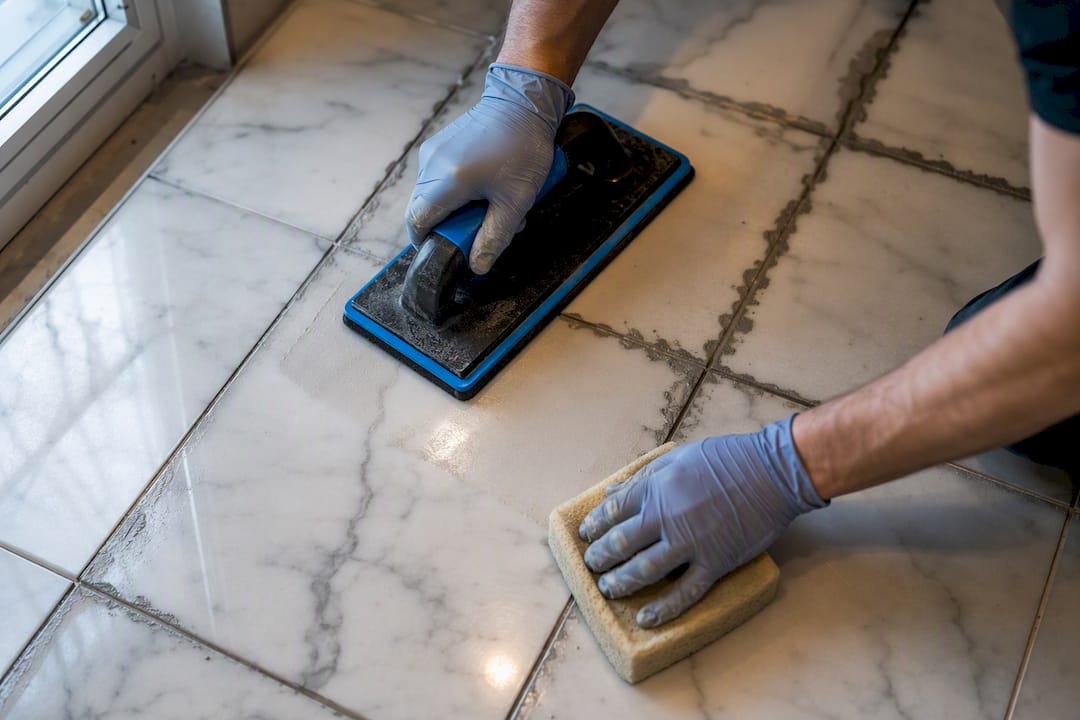
Cement grout is far more forgiving for a first attempt. Mix small batches, work in manageable sections, and you have time to correct mistakes before it sets. Sealing comes a few weeks later and is straightforward with a foam applicator and a steady hand.
A few situations tip the scale toward hiring a pro:
- Shower floors and curbs, where a poor seal invites leaks behind the wall
- Natural stone, where a scratch or acid etch can’t be undone
- Large square footage, where working time becomes the enemy
- Anywhere you want dead-straight, consistent joint lines throughout
If you do hire someone, ask about their epoxy experience specifically, whether they’ll show you a sample board before starting, how they handle haze removal, and what warranty covers the grout work versus the tile itself. A proper shower waterproofing setup matters just as much as the grout choice, since even the best epoxy can’t compensate for a membrane installed wrong underneath it.
Grout Maintenance, Sealing, and Color That Actually Holds Up
Cement-based grouts, sanded and unsanded alike, need sealing after cure and typically every one- to two years after that, depending on foot traffic and moisture exposure. Epoxy skips this step entirely, which is one reason installers reach for it in showers despite the higher price.
For everyday cleaning, mild pH-neutral cleaners beat anything abrasive, especially on natural stone, where acidic or gritty products etch the surface. Stains respond best when treated quickly, before they set into porous cement grout.
Color matters more than most people expect — a vital consideration when choosing bathroom finishes like the best bathroom doors for your Dallas home that complement your tile and grout color. Medium gray hides everyday dirt and grout haze better than almost anything else. White looks stunning on day one and shows every footprint and soap streak by week three. Very dark grout, meanwhile, can develop a chalky soap-scum film that’s oddly visible against the dark background. Installers have also flagged batch-to-batch color variation in epoxy, so inspect the color components before mixing a big batch if an exact match matters.
- Test a sample under your bathroom’s actual lighting before committing
- Reseal cement grout on a one to two year cycle
- Wipe down wet-area grout weekly to slow soap scum buildup
Buying Grout: What to Check on the Label
Start with the grout type: cement-based, epoxy, or premixed resin. Confirm the joint-width range it’s rated for. Epoxy products typically reference the ANSI A118.3 standard for two-part epoxy performance, while cement grouts often cite A118.6.
Check the working and cure times, especially for epoxy, and note any restrictions on submerged use or steam-room exposure. Premixed convenience makes sense for a small backsplash; two-part epoxy performance pays off on a full shower. Ask for a color sample and check the label for lot-consistency warnings before buying enough for one continuous space.
What Installers Actually Choose (and What Homeowners Get Wrong)
Professionals lean toward epoxy for wet, high-wear spots because its non-porous surface all but eliminates the maintenance headaches cement grout carries.
The mistakes we see most: sanded grout scratching polished stone, narrow joints packed with the wrong sanded mix, and cement grout left unsealed until it stains. A professional install on a shower floor, done right the first time, prevents the leaks and rework that cost far more than the install itself.
Grout’s Environmental Footprint and Greener Choices
Cement production carries a real carbon cost, and traditional sanded and unsanded grouts inherit that footprint since Portland cement is their main ingredient. Epoxy grout avoids the cement-kiln emissions but relies on petroleum-based resins, so neither family is free of environmental trade-offs.
The most meaningful eco factor for a homeowner isn’t the raw material, though. It’s longevity. A grout that lasts 15 years without needing to be chipped out and replaced beats a cheaper grout that fails in five and sends that material straight to a landfill, along with the labor and packaging that go into a redo. That’s part of why epoxy’s durability argument doubles as an environmental one, even though it isn’t marketed that way.
Some manufacturers now offer low-VOC formulas for both cement and epoxy grout lines, which matters more for indoor air quality during installation than for any long-term footprint. If you’re renovating a space you’ll be breathing in for days after grouting, a low-VOC product is worth asking about specifically, since standard formulations can off-gas noticeably in an enclosed bathroom.
Recycled content in tile adhesives and backer board has grown more common, but grout itself hasn’t seen much movement toward recycled inputs yet. The most practical “green” decision most homeowners can make is simply choosing the grout that will actually last in that specific location, rather than the cheapest option that needs replacing twice.
Durability and Stain Resistance, Grout by Grout
Epoxy sits at the top for both durability and stain resistance, and it’s not close. Its non-porous structure means spills, grease, and grout-line grime have nowhere to soak in, which is why it holds up in kitchens and commercial settings that get hammered daily.
Polymer-modified cement grout comes next. It won’t match epoxy’s chemical resistance, but the additives noticeably reduce how deeply stains penetrate compared to plain cement, which is part of why The Spruce lists it as a solid middle-tier choice for homeowners who want better performance without epoxy’s install complexity.
Standard sanded and unsanded cement grouts sit at the bottom of the durability curve, not because they’re poorly made, but because their porosity is baked into the chemistry. Sealing helps close that gap substantially, but a seal wears thin over time and needs reapplying, whereas epoxy’s resistance never degrades the same way.
Premixed resin grouts land in a wide range depending on the formula. Some perform close to polymer-modified cement; a few approach epoxy-like resistance. Since performance varies so much by brand, checking the manufacturer’s technical data sheet matters more here than with any other grout family.
Moisture and Mold Resistance Across Grout Types
Mold needs moisture and organic material to feed on, and porous cement grout offers both once water gets past a worn sealer. That’s the core reason cement grout in showers develops the pink or black mildew staining so many homeowners fight for years.
Epoxy shuts that cycle down almost entirely. Its non-porous surface gives mold nothing to grip or feed from, which is a major reason manufacturers frame it as the standard for wet, high-humidity areas. Polymer-modified cement grout improves on plain cement’s moisture resistance but still needs an intact seal to keep mold at bay long term.
Premixed resin grouts vary here too, though most outperform unsealed cement grout by a wide margin. The real risk factor isn’t always the grout itself. It’s whether the waterproofing membrane behind the tile was installed correctly in the first place, since grout is the last line of defense, not the first.
Comparing Grout Costs from Budget to Premium
Sanded and unsanded cement grout are the cheapest option by a clear margin, and they’re what most contractors default to for standard floor and wall jobs unless a client asks for something else.
Polymer-modified cement grout costs more than plain cement, reflecting the added acrylic or latex content, but it’s still firmly in DIY-affordable territory for most bathroom-sized jobs.
Epoxy carries the highest material price of any grout type, and that gap widens further once you factor in labor, since epoxy’s tricky working time often pushes homeowners toward a professional installer rather than a weekend DIY attempt. Premixed resin grouts sit between polymer-modified cement and epoxy on price, trading some of epoxy’s chemical performance for a product that doesn’t require mixing two parts under a ticking clock.
The math that matters most isn’t the sticker price. It’s what you’d spend resealing, repairing, or replacing cheaper grout over ten or fifteen years in a wet area, against paying more once for epoxy and never touching it again.
An Installer’s Honest Take on Grout Choice
Most grout advice online treats joint width as the whole decision. It isn’t. Joint width tells you what will physically pack into the gap. It says nothing about what will actually survive daily use in that specific spot, and that gap in the conventional advice is where homeowners get burned.
The bigger call is location, and the bigger risk is underestimating epoxy’s install demands. Homeowners read “epoxy is better” and assume that means better for them to install, when the working-time pressure and haze cleanup are exactly where a first attempt goes wrong on an expensive tile. If you take one thing from this: prioritize matching grout to how wet and how visible the space is, not just how wide the joint is. A dry hallway floor doesn’t need epoxy’s premium. A shower floor almost always benefits from it, and that’s precisely where a rushed DIY mix job does the most damage.
Color decisions deserve the same scrutiny people give to durability. A gorgeous white grout sample means nothing once soap scum and hair products get involved for a year.
— James
Get Professional Grout and Tiling Work Done Right in Cardiff
Choosing between epoxy and cement grout is only half the job. Getting it installed without haze, cracked joints, or a leak behind the wall six months later is the other half, and that’s where a professional tiling team earns its keep. Expert contractors handle bathroom tiling, epoxy grout installs, and full wet-room builds across the Cardiff area, with the kind of joint-by-joint attention that a rushed weekend project rarely gets.

If you’re getting quotes for a shower or wet room, ask any installer three things: their direct experience with epoxy grout, whether they’ll show you a sample board before work starts, and what warranty covers the grout and tiling separately. A professional team works through exactly that process on every job, pairing the right grout to your tile and space rather than defaulting to whatever’s cheapest to buy. Start with a free quote for your bathroom installation and get a straight answer on what your space actually needs.
Sources
For deeper technical detail, MAPEI’s shower grout guidance and Rubi’s epoxy grout primer cover product specifics and standards referenced throughout this guide, including ANSI classifications and manufacturer installation notes.
- MAPEI: Choosing grout for showers (technical guidance)
- The Spruce: 7 types of grout and how to choose
- TileHub: Best grout for shower tiles — practical chart
- LATICRETE: SPECTRALOCK PRO Premium Grout product page
FAQ
Should grout be lighter or darker than the tile?
Neither extreme works well long term: light grout shows dirt fast, and very dark grout can develop a visible soap-scum film. Medium-tone grays and browns tend to hide daily wear the best.
What grout do professionals use most often?
For wet areas like showers, professionals typically reach for epoxy grout because of its water and stain resistance, even though it costs more and takes longer to install correctly.
What is the best grout for tiles overall?
There’s no single best grout for every job. Sanded or polymer-modified cement suits most dry floors, while epoxy suits wet or high-stain areas; the right choice depends on joint width, tile material, and location.
What type of grout is best for a shower?
Epoxy grout is generally the strongest choice for showers, since it’s non-porous and resists mold, mildew, and soap scum far better than cement-based options. High-performance polymer-modified cement grout is a reasonable middle-ground alternative for homeowners who want easier installation.
Does epoxy grout really need less maintenance than cement grout?
Yes. Epoxy typically does not need sealing, while cement-based grouts usually need resealing periodically to maintain their water and stain resistance.