
15–30 Minutes to Stop Toilet Cistern Condensation in UK Homes
UK homeowners: stop toilet cistern condensation fast with practical fixes — drip trays, insulation, and 15–30 minutes of extractor use, plus clear signs...
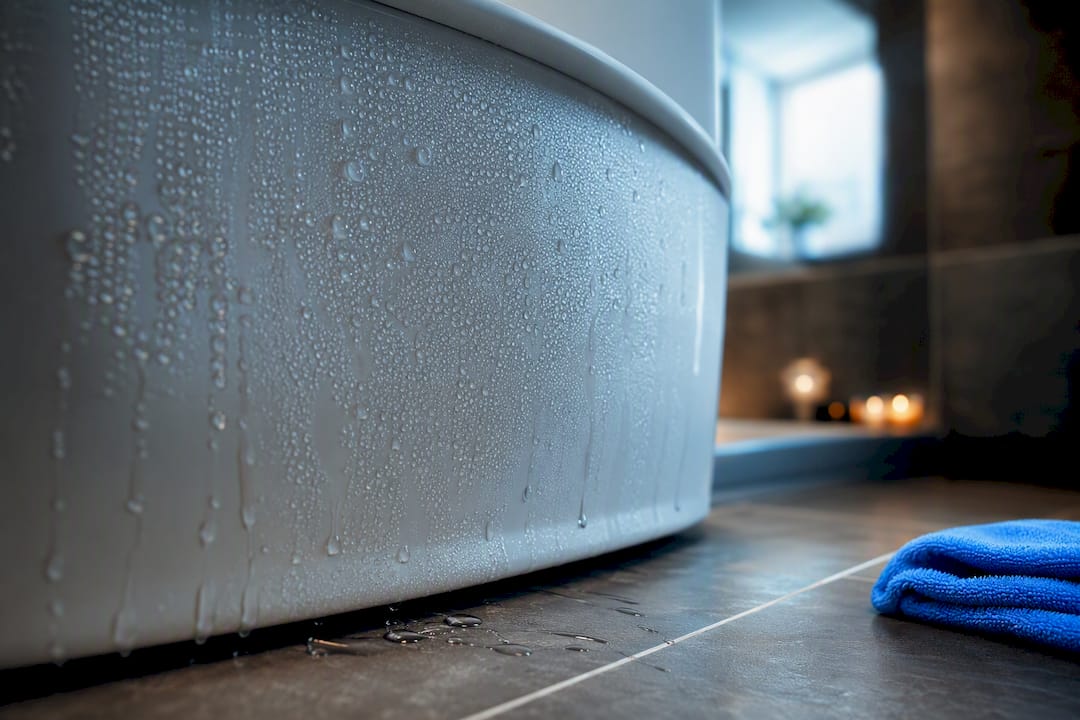
Toilet cistern condensation happens when warm, humid bathroom air touches the cold surface of the tank, which is chilled by incoming mains water. The fastest fixes are a drip tray under the cistern and a quick check of whether the toilet is running continuously, since a constantly refilling valve keeps the tank cold and makes sweating worse. Longer term, cutting bathroom humidity or warming the cistern surface stops the problem at the source.
TL;DR:
- Improving bathroom ventilation through extractor fans and window opening is the most effective and affordable way to prevent cistern condensation.
- Fixing a continuously running toilet by repairing or replacing the fill valve can eliminate excessive cold water flow and significantly reduce sweating issues.
- Insulating the cistern or wrapping pipes can help but is less effective if ventilation or a faulty toilet is not addressed first.
- Anti-sweat valves are costly and complex, recommended only when ventilation and leak fixes fail to stop condensation entirely.
- Regular maintenance routines and timely professional inspection can prevent long-term damage caused by persistent moisture and leaks.
Table of Contents
- What Causes Condensation on a Toilet Cistern
- Quick Short-Term Fixes: Drip Trays, Covers, and Ventilation Habits
- Diagnose: Is It Condensation or a Plumbing Leak?
- Permanent Fixes: Ventilation, Insulation, Pipe Lagging, and Anti-Sweat Valves
- When to Call a Plumber
- Prevention Routine: A Seasonal Checklist
- Why the Standard Advice Undersells Ventilation
- Sources
What Causes Condensation on a Toilet Cistern
Cold water enters your cistern at roughly the temperature of your mains supply, often well below room temperature, especially in winter. When that cold ceramic or plastic tank sits inside a warm, moist bathroom, the air touching it cools rapidly and can no longer hold as much water vapor. That vapor turns to liquid on contact, and you get beads of water running down the outside of the tank and pooling on the floor.
Two things drive how bad it gets: how humid your bathroom air is, and how cold your tank surface stays. Long showers, poor ventilation, and a running toilet all push condensation from mild dampness into a genuine puddle problem.
Quick Short-Term Fixes: Drip Trays, Covers, and Ventilation Habits
Before tackling the root cause, stop the water from ruining your floor. A shallow drip tray or absorbent mat placed under the cistern catches drips before they reach floorboards or grout lines, though it needs regular emptying and won’t stop the tank from sweating in the first place.
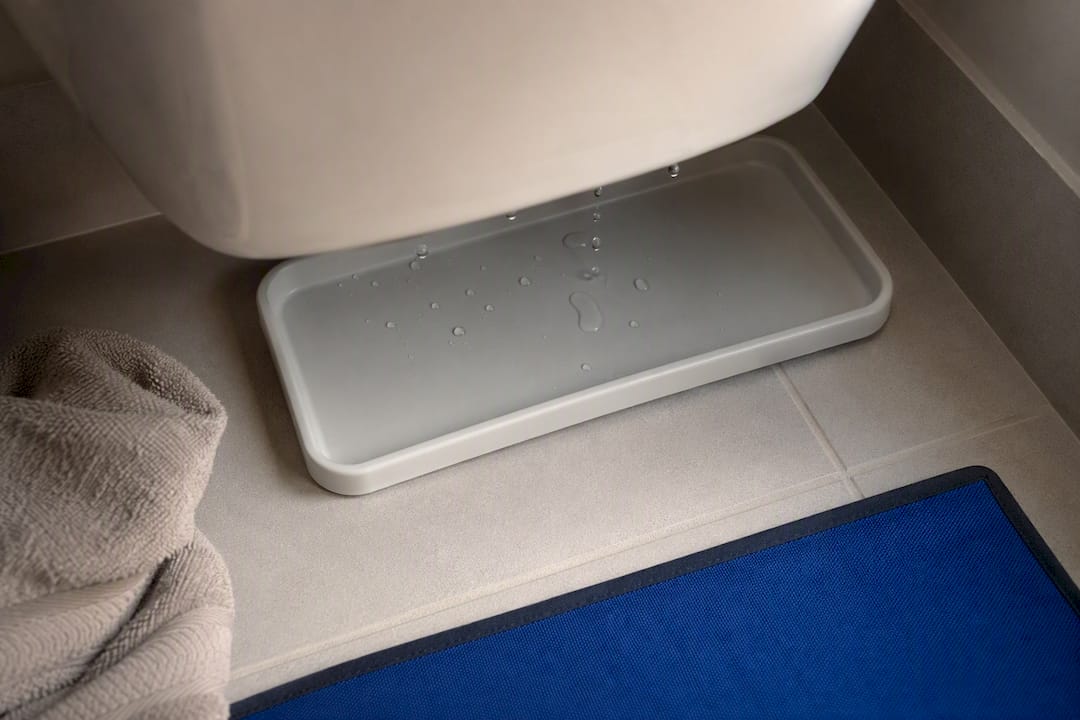
Cistern covers can also help by adding a barrier that warms slightly and slows direct condensation, but they trap moisture against the tank and can develop mold or mildew if not removed and washed periodically. Drip trays and cistern covers are genuinely useful as protective measures, but neither one fixes the temperature imbalance causing the sweating.
Ventilation habits matter just as much as any gadget:
- Run the extractor fan during showers and for 15 to 30 minutes afterward.
- Open a window whenever practical, even in cold weather, to let humid air escape.
- Leave the bathroom door ajar after bathing so moist air can disperse into the hallway.
- Avoid cranking the heating too high right after a hot shower, since a sudden temperature swing against a cold tank can spike condensation.
Pro Tip: If your bathroom has no window and a weak fan, running the extractor continuously for an hour after every shower is often more effective than any drip tray or cover you can buy.
Diagnose: Is It Condensation or a Plumbing Leak?
Not every puddle around a toilet is condensation. Before you insulate anything, rule out a mechanical fault, because a leak or a running toilet needs a repair, not a liner.
- Listen for a continuous trickle. A toilet that never fully stops filling keeps drawing in cold mains water nonstop, which chills the tank and makes condensation far worse than it should be.
- Watch the water level and try a dye test. Drop food coloring into the cistern and check the bowl after 15 minutes without flushing; color in the bowl means the flush valve is letting water through.
- Check the base for pooling versus film. A light misty film around the base points to condensation dripping down; standing water pooled specifically at the base often means a failed wax ring or seal.
- Isolate the water before any hands-on work. Turn off the isolation valve behind the toilet, or the mains stopcock if there’s no isolation valve, before removing the cistern lid or adjusting the fill mechanism.
If the toilet keeps running continuously, fixing that valve often solves what looked like a condensation problem on its own.
Permanent Fixes: Ventilation, Insulation, Pipe Lagging, and Anti-Sweat Valves
Once you’ve ruled out a leak, the lasting solutions fall into four categories, and which one makes sense depends on how bad the sweating is and how much you’re willing to spend.
Ventilation upgrades solve the problem for most households. A properly sized extractor fan used during and after every shower prevents most cases of cistern sweating, and it’s usually the cheapest fix available. If your current fan struggles to clear steam within a few minutes, it’s undersized for the room, and swapping it out or troubleshooting why it’s underperforming is worth doing before anything else.
Cistern insulation tackles the tank surface directly. Fitted tank liners or closed-cell foam glued to the inside walls of the cistern warm the surface enough to reduce or eliminate sweating. Installation is fiddly and requires care to avoid fouling the float, fill valve, or flush mechanism, so cut foam pieces to size, secure them with waterproof adhesive, and test that everything still operates smoothly before putting the lid back on.
Pipe lagging wraps foam sleeves around the cold supply pipe feeding the cistern, which slightly warms the water by the time it reaches the tank and stops the pipe itself from sweating and dripping along its length.
Anti-sweat valves are the most technical fix. These valves blend a small amount of hot water into the cold supply line feeding the cistern, raising the tank’s internal temperature enough to stop condensation even in consistently humid bathrooms. Most are adjustable, so you can dial in just enough hot water to solve the sweating without running up your energy bill, but fitting one behind a wall or in a tight space is a job best left to a professional.
Here’s roughly how the effort and cost stack up:
- Low cost, DIY friendly: drip tray, cistern liner, pipe lagging.
- Mid range: extractor fan upgrade, full cistern foam insulation.
- Higher cost, often professional: anti-sweat valve installation, bathroom-wide ventilation overhaul.
Fixing ventilation and insulating the tank resolves the vast majority of cases without ever needing a valve. Anti-sweat valves earn their cost mainly in bathrooms with poor natural airflow or unusually cold mains supply that no amount of fan use seems to fix.
When to Call a Plumber
Some signs mean it’s time to stop troubleshooting and book a professional visit. Persistent dripping onto the floor despite good ventilation, visible mold around the base, soft or warped flooring, a toilet that never stops running, or water appearing from a source you can’t identify all warrant a proper inspection.
A plumber checking a sweating or leaking toilet will typically:
- Test and, if needed, replace the fill or flush valve.
- Reseal the base and check the wax ring for a failed seal.
- Fit and adjust an anti-sweat valve where humidity control alone isn’t enough.
- Inspect the subfloor for early rot or moisture damage before it spreads.
Bathrooms in Cardiff and the Vale of Glamorgan see this problem constantly during colder months, when mains water runs coldest and heating keeps indoor air warm and humid. Catching a running toilet or a failed seal early is almost always cheaper than replacing a rotted subfloor later.
If your bathroom is due for more than a quick fix, a full bathroom installation or renovation from JM Plumbing Services Ltd can resolve ventilation, plumbing, and layout problems in one visit rather than patching each issue separately.
Prevention Routine: A Seasonal Checklist
A short routine keeps cistern sweating from coming back, and it takes only a few minutes a week once it’s a habit.
- Daily: run the extractor fan during and after every shower or bath.
- Weekly: wipe down the cistern if the household showers heavily, and leave the bathroom door ajar afterward to let moisture clear.
- Monthly: check for a running toilet by listening for trickling 10 minutes after a flush, and inspect visible seals for cracking.
- Seasonally: re-check pipe lagging and cistern liners for gaps, and reset thermostatic radiator valves so the bathroom doesn’t overheat and worsen the temperature contrast against a cold tank.
Pro Tip: In a small windowless bathroom, a compact non-electric dehumidifier on the windowsill or cistern lid can quietly absorb excess moisture between fan cycles, especially through winter.
Choosing a well-ventilated bathroom door, as covered in this guide to bathroom door options, also helps keep air moving between rooms rather than trapping humidity where it does the most damage.
Why the Standard Advice Undersells Ventilation
Most guides treat drip trays, cistern covers, and insulation as roughly equal options on a menu. They aren’t. Ventilation is the only fix on that list that addresses the actual physics of the problem rather than managing its symptoms, and it’s usually the cheapest one too.
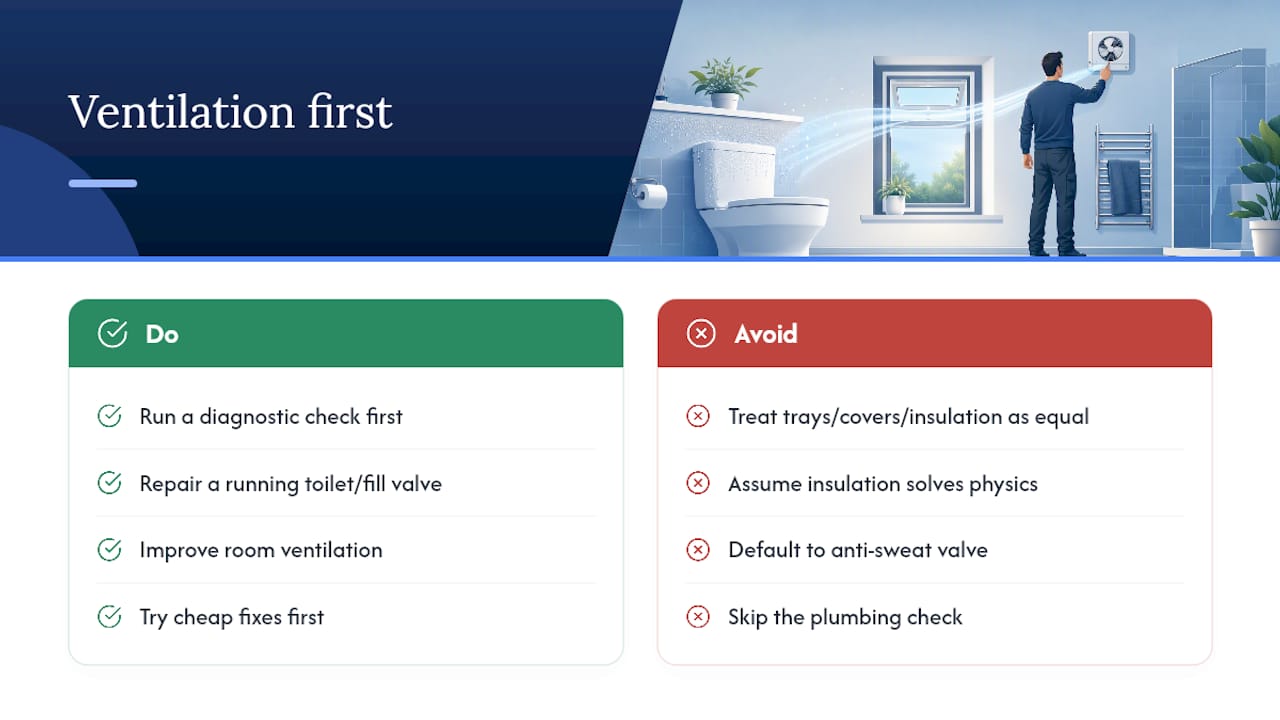
What gets underestimated is how often a “condensation problem” is actually a running toilet in disguise. A tank that never stops refilling stays cold permanently, so no amount of insulation or fan use will fully solve it until the fill valve gets fixed. I’d prioritize the diagnostic check over any product purchase, every time.
Where conventional advice falls short is in treating anti-sweat valves as a default upgrade. They’re a genuinely good tool for stubborn cases, but they add ongoing energy cost and installation complexity that most bathrooms don’t need once ventilation and a running toilet are sorted. Fix the cheap, obvious things first. Reach for the valve only when they don’t work.
— Cameron
Sources
- How to stop condensation on toilet cisterns: 6 expert tips | Homebuilding
- How to prevent condensation from forming on your toilet cistern | Ideal Home
- Stopping condensation on toilet cisterns | DIY Doctor