
£2,000–£4,000? Drainage Decides Downstairs Toilet Cost in the UK, 2026
UK 2026 downstairs toilet costs: typical bills (£1,500–£6,000), why soil-pipe access drives price, timelines, and a contractor-checked checklist to...
£2,000–£4,000? Drainage Decides Downstairs Toilet Cost in the UK, 2026
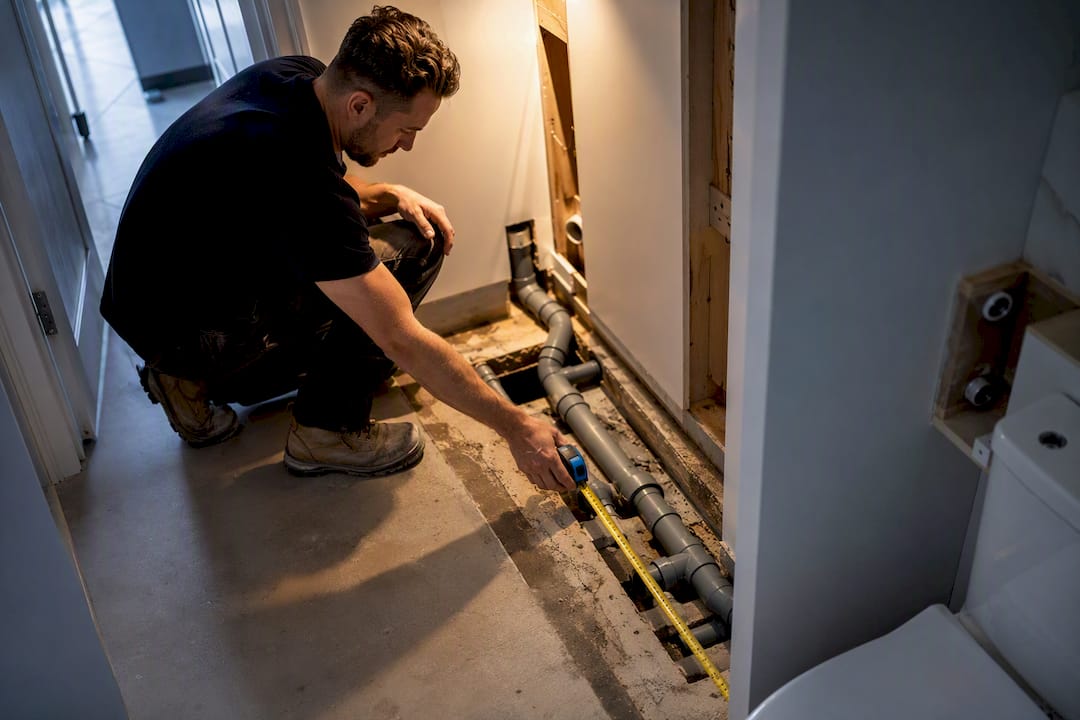
A downstairs toilet in the UK typically costs within a broad range, with most straightforward jobs landing at a few thousand pounds. The single biggest swing factor is drainage. If you can tie into an existing soil pipe, you stay near the bottom of that range; if you can’t, excavation or a macerator pushes costs up fast. Keep reading for the full breakdown, timeline, and a checklist for comparing quotes.
TL;DR:
- Drainage proximity is the primary factor affecting cost, with existing soil pipes keeping expenses near the lower end of the £2,000–£4,000 average range.
- Installing a macerator system, often used when gravity drainage isn’t feasible, adds £250–£800 upfront and involves additional maintenance costs over time.
- A simple conversion typically takes three to seven days, while jobs involving new drainage or structural work may extend up to two weeks.
- Properly itemized quotes should specify drainage strategy, labor, materials, and include a contingency of 10–15%, to avoid unexpected expenses.
- Building Regulations approval is almost always required for drainage and structural changes, but planning permission is rarely necessary for internal conversions like an understairs toilet.
Table of Contents
- Downstairs Toilet Cost UK: Quick Benchmarks
- What’s in a Full Cost of Installing a Toilet Breakdown?
- What Drives the Cost of a Downstairs Toilet Up?
- How Long Does a Downstairs Toilet Installation Take?
- Do You Need Planning Permission for a Downstairs Toilet?
- Does a Downstairs Toilet Add Value to Your Home?
- How to Get a Reliable Quote and Avoid Red Flags
- JM Plumbing Services Ltd’s View on Cost and Value
- Get an Accurate Downstairs Toilet Quote in Cardiff
- Sources
- FAQ
Downstairs Toilet Cost UK: Quick Benchmarks
Before you call anyone for a quote, it helps to know roughly where you should land. A simple installation using existing drainage, such as converting an understairs cupboard already close to a soil stack, usually runs a few thousand pounds. A more complex build involving new drainage, external pipework, or structural changes typically costs significantly more.
Quick stat: MyBuilder’s UK pricing data puts the average installed cost between £2,000 and £4,000, climbing toward £6,000 when luxury finishes or major drainage work are involved.
- Simple conversion (existing drainage nearby): £1,500–£2,500
- Standard downstairs toilet cost UK average: £2,000–£4,000
- Complex build (new drainage, structural work): £3,500–£6,000+
- Labor typically makes up close to 40% of the total bill
These figures line up with Checkatrade’s cost data, which frames anything above £5,000 to £6,000 as a job with real structural or drainage complications, not a standard fit.
What’s in a Full Cost of Installing a Toilet Breakdown?
A proper quote separates labor from materials, and knowing the split helps you spot a lowball estimate before it turns into a mid-project surprise. Plumbers commonly charge £250 to £400 per day, general builders and joiners £180 to £300, and plasterers or tilers around £150 to £250. A simple conversion might need a plumber for two days and a builder for one, while a job requiring new drainage or partition walls can stretch across a full week of mixed trades.
Materials vary just as widely depending on the finish level you choose:
- Toilet (pan and cistern): £100–£500+
- Basin and vanity unit: £80–£1,200
- Tiling: priced per square meter, with wide bands between budget and premium ranges
- Macerator unit (if needed): £250–£800
Pro Tip: Ask your contractor to itemize the quote by labor day rate and material line item rather than giving you one lump figure. It’s the fastest way to spot where you can trim costs without cutting corners on the plumbing itself.
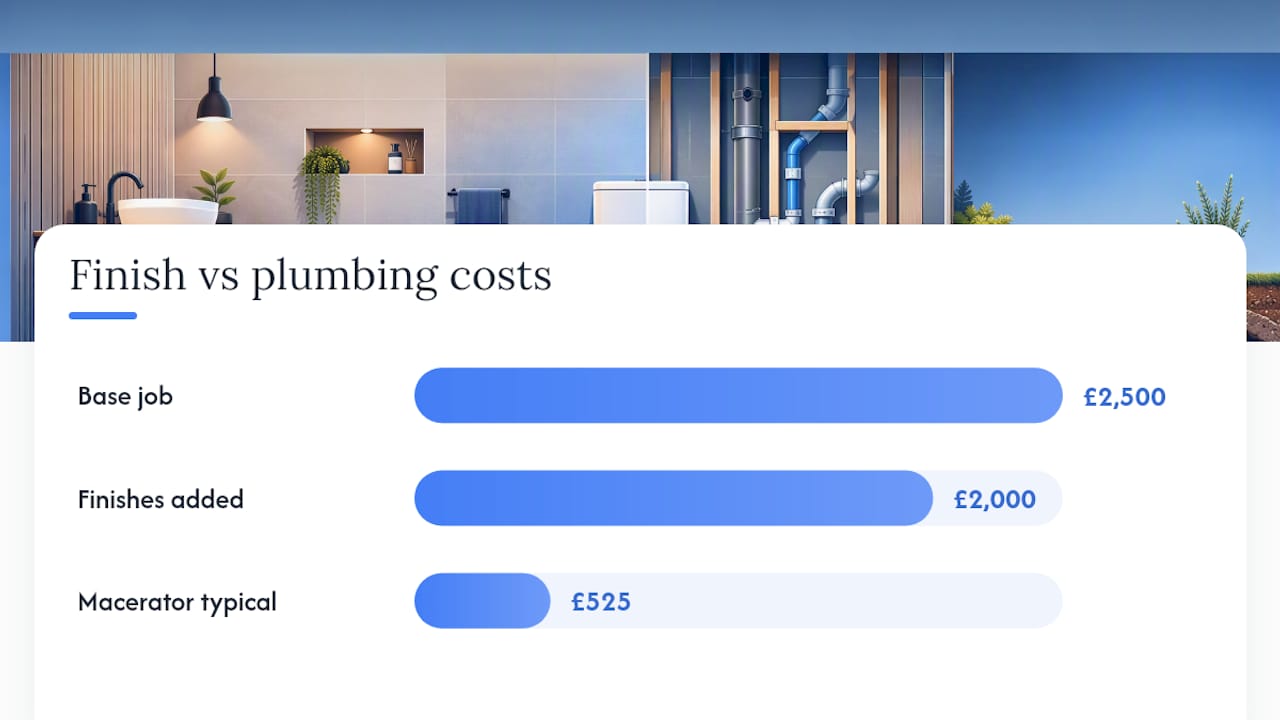
Here’s a sample budget worksheet for a mid-range understairs conversion:
That contingency line isn’t optional padding. Homeowners in older UK properties routinely under-budget for hidden repairs like damp joists or outdated pipework discovered once walls are opened up, so building in 10 to 15% from the start saves a stressful renegotiation later.
What Drives the Cost of a Downstairs Toilet Up?
Drainage decides more of your final bill than any other single factor. Working with the existing soil pipe location from the outset is the cheapest planning choice you can make; moving drainage or creating a new connection is where budgets commonly double.
- Soil pipe proximity: close access keeps costs low; distance often means excavation or new pipework.
- Macerator systems: a practical workaround when gravity drainage isn’t possible, but they add £250–£800 upfront plus ongoing maintenance and eventual replacement.
- Groundworks: excavation and new inspection chambers for external drainage connections raise both labor and materials significantly.
- Finish level: sanitaryware, tiling, and integrated cabinetry carry the widest price variance of any line item.
The engineering logic is straightforward: toilets need gravity fall to drain properly, and when that isn’t achievable, a macerator grinds waste so it can be pumped through smaller pipework. It solves a real access problem, but it’s a mechanical part that will eventually need servicing or swapping out, so factor that into your long-term cost, not just the install price.
Pro Tip: If your understairs space sits directly above or beside existing bathroom plumbing, ask your plumber whether a gravity connection is realistic before anyone quotes you for a macerator. It’s often cheaper over the life of the toilet.
Finish choices matter more than people expect. Premium tiling, a wall-hung toilet, or a vanity unit with storage can shift a straightforward job from £2,500 to £4,500 without touching the plumbing at all.
How Long Does a Downstairs Toilet Installation Take?
A simple conversion using existing drainage typically takes 3 to 7 days start to finish. Complex installations involving new drainage or structural work can stretch to one to two weeks.
- Day 1: Strip-out and any demolition of existing storage or partition walls.
- Days 1–2: First-fix plumbing, including pipework and drainage connections.
- Days 2–4: Electrics, plastering, and any structural adjustments if needed.
- Days 4–5: Second-fix plumbing, fitting the toilet, basin, and macerator if used.
- Days 5–7: Tiling, decorating, and final testing.
Delays usually trace back to one of two causes: discovering the soil pipe isn’t where drawings suggested, or waiting on Building Control sign-off for drainage work. Confirming drainage access before work starts, and booking inspections early, keeps most projects on schedule.
Do You Need Planning Permission for a Downstairs Toilet?
Converting internal space, like an understairs cupboard or utility area, into a downstairs toilet rarely needs planning permission. Planning becomes relevant only if you’re extending the building’s footprint or altering the exterior.
Building Regulations are a different matter and almost always apply. Any new drainage, structural changes, or electrical work in the new space needs to meet current standards, and your local authority will want to inspect and sign off.
Homeowners should Gov and their local Building Control office whenever work affects shared walls or falls under Building Regulations, particularly for drainage and structural alterations.
- Contact local Building Control before drainage or structural work begins.
- Keep every inspection record and completion certificate on file.
- Check party wall implications if the new toilet sits against a shared wall.
Skipping this step doesn’t just risk fines. It can complicate your home sale later if a buyer’s solicitor asks for certificates you don’t have.
Does a Downstairs Toilet Add Value to Your Home?
A well-executed downstairs WC can add roughly 3 to 5% to a UK property’s value, based on current market estimates. That uplift depends heavily on execution.
- Quality finishes and a sensible layout tend to drive the strongest perceived value gains.
- A cramped or awkwardly placed toilet that eats into hallway space can actually work against you.
- In smaller homes where every square foot counts, buyers weigh the loss of storage or floor space against the convenience gained.
If you’re renovating with resale in mind rather than personal convenience, spend more thought on layout than on premium fittings. Interior improvements consistently influence buyer perception more through smart use of space than through expensive finishes alone.
How to Get a Reliable Quote and Avoid Red Flags
Getting three quotes for the same scope of work is the only way to compare like for like, and it’s where most homeowners get caught out.
- Request an itemized breakdown covering labor days, materials list, VAT status, and expected lead time.
- Ask directly about drainage strategy: will the job use existing pipework, or will it need a macerator or new connection?
- Confirm guarantees and insurance, including public liability cover and any workmanship warranty length.
- Check permit responsibility: who arranges Building Control inspections, and is that cost included?
- Build in contingency of 10 to 15% and ask whether the quote already accounts for it.
Pro Tip: A quote that skips drainage detail entirely is the biggest red flag you’ll see. If a contractor can’t tell you how waste will reach the soil pipe before they start, they haven’t actually surveyed the job properly.
Watch for quotes that seem unusually low with no materials breakdown, contractors reluctant to put timelines in writing, or anyone asking for full payment upfront before work begins.
JM Plumbing Services Ltd’s View on Cost and Value
We’ve fitted understairs conversions that took four days and stayed under £2,500, and external-drainage jobs in older Cardiff terraces that ran closer to £5,500 once excavation was factored in. The gap between those two outcomes almost always comes down to soil pipe access, decided in the first site visit, not the final invoice. Homeowners who ask about drainage strategy before comparing prices end up with far more accurate budgets.
— James
Get an Accurate Downstairs Toilet Quote in Cardiff
JM Plumbing Services Ltd gives you something a generic online estimate can’t: a plumber who actually looks at your soil pipe, your understairs space, and your existing pipework before quoting a number. Serving Cardiff and the Vale of Glamorgan, we handle everything from a simple understairs conversion to a full bathroom renovation in Cardiff with new drainage.
A site survey typically takes under an hour and gives you a written quote within a few days, covering labor, materials, drainage strategy, and a realistic timeline rather than a vague estimate pulled from an online calculator. Every job comes with insurance cover and a clear scope of work before anything starts. If you’re planning a downstairs toilet or a wider bathroom installation in Cardiff, get in touch to book a survey and see exactly what your space allows.
Sources
- Installing a Downstairs Toilet Cost UK — Checkatrade
- Cost to Add a Downstairs Toilet in 2026 — BookaBuilderUK
- Gov
- Downstairs toilet cost guide — MyBuilder
FAQ
Do You Need Permission to Install a Downstairs Toilet?
Planning permission is rarely needed for an internal conversion like an understairs cupboard, but Building Regulations almost always apply to drainage, structural, and electrical work, so check with local Building Control first.
Does a Downstairs Toilet Add Value to a House?
Yes, a well-finished downstairs toilet can add roughly 3 to 5% to a property’s value, though poor layout or cramped space can offset that gain.
How Much Does a Toilet Cost in the UK?
A standalone toilet unit typically costs £100 to £500 or more, while a full downstairs toilet installation including labor and drainage runs £2,000 to £4,000 on average.
How Much Do Plumbers Charge to Fit a Toilet?
Plumbers in the UK typically charge £250 to £400 per day, with a straightforward toilet installation usually taking one to three days depending on drainage access.