
Bathroom Underfloor Heating: Electric vs Wet, Explained
Discover the benefits of bathroom underfloor heating. Compare electric and wet systems to find the best choice for your home renovation.
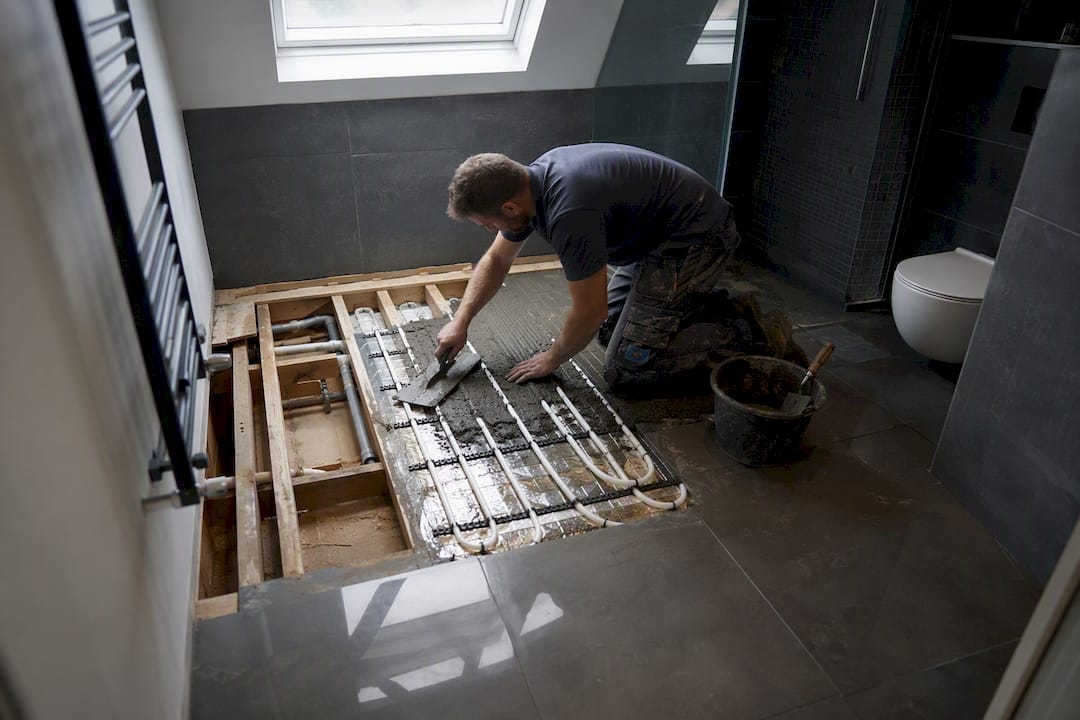
For most single-bathroom renovations in the UK, electric underfloor heating is the practical, lower-cost choice. Wet systems earn their keep when they are part of a whole-house install or paired with a heat pump. That’s the short version. The nuance: electric costs less to fit, warms up in minutes, and needs only a Part P notification for the electrical work. Wet systems cost more upfront and take longer to fit, but run cheaper long-term if your home already has (or is getting) a heat pump.
Here’s the tradeoff in three lines:
- Install cost: electric is usually £750 to £1,600 supplied and fitted for a small bathroom; wet retrofits often run £900 to £2,000 or more.
- Warm-up time: electric mats heat tiles in 20 to 40 minutes; wet systems take 1 to 2 hours.
- Who it suits: electric fits single-room retrofits; wet suits homes already committed to a heat pump or a larger renovation.
Jmplumbingservicesltd handles both types across Cardiff and the Vale of Glamorgan, so the choice comes down to your specific bathroom, not what’s available locally.
TL;DR:
- Electric underfloor heating is cheaper to install, heats up faster, and is suitable for single-room retrofits, typically costing £750 to £1,600 for a small bathroom.
- Wet systems require higher upfront costs, take 1 to 2 hours to heat, and are better suited for homes with a heat pump or larger renovation projects.
- Running costs for electric systems range from £15 to £40 per year for a 5 square meter bathroom, while wet systems can be 50 to 65% cheaper per useful kWh only with a heat pump.
- Installation of electric UFH usually completes within one to two days, whereas wet systems may take several weeks due to screed curing and additional plumbing work.
- Proper sizing through a heat-loss calculation and booking a local, all-in-one survey is essential to ensure system efficiency and avoid costly mistakes.
Table of Contents
- How Do Electric and Wet Underfloor Heating Actually Work?
- What Does Bathroom Underfloor Heating Cost to Run in the UK?
- How Long Does Underfloor Heating Installation Take?
- What Should You Ask an Installer Before You Sign a Quote?
- What the Research Actually Supports
- Get a Local Survey From Jmplumbingservicesltd
- Key Takeaways
- Sources
How Do Electric and Wet Underfloor Heating Actually Work?
Electric underfloor heating bathroom systems use thin mats or loose cable laid directly under your tile adhesive. There’s barely any floor build-up, which matters if you’re retrofitting a bathroom with limited height clearance under the door. Wet (hydronic) systems push warm water through pipes connected to a manifold, which ties back to your boiler or heat pump. That means more plumbing, more space needed for the manifold, and generally a bigger job.
The practical differences show up fast once you compare how each behaves day to day:
- Response time. Electric mats warm bathroom tiles in 20 to 40 minutes, which suits the way most people use a bathroom, on and off throughout the day. Wet systems take an hour or two to reach temperature, so they work better left running at a steady, low level rather than switched on and off.
- Floor build-up. Electric adds only a few millimeters. Wet systems, especially with full screed, add real height, which can be a problem in older houses with shallow floor voids.
- Maintenance. Electric systems have effectively no moving parts to service once installed. Wet systems need occasional checks on the manifold, pressure, and balancing, similar to any wet heating circuit.
Pro Tip: If you’re only heating one bathroom and want it warm before your morning shower, a smart thermostat with a scheduled electric mat beats leaving a wet system idling all night. You pay for exactly the minutes you use.
The daily-use gap is the real decider here. Electric suits on-demand habits. Wet suits homes where the heating runs on a steady schedule anyway, because it’s already part of a bigger system.
What Does Bathroom Underfloor Heating Cost to Run in the UK?
A typical electric mat draws around 150 watts per square meter. For a 5 square meter bathroom, that’s roughly 750 watts, and used sparingly with a scheduled thermostat, annual running costs land somewhere between £15 and £40, depending on how often you run it and your electricity tariff.
A 5 square meter electric mat at 150 W/m² costs roughly £15 to £40 a year to run when scheduled sensibly, not left on all day.
Wet systems flip the economics depending on what’s heating the water. Run off a gas boiler, the running cost per useful kilowatt-hour sits somewhere between electric resistance and a heat pump. Run off an air-source heat pump with a coefficient of performance around 3.5 to 4.5, wet UFH can end up 50 to 65% cheaper per useful kWh than electric resistance heating.
That gap explains why a wet retrofit rarely pays for itself in a single bathroom:
- The extra £150 to £900+ upfront cost of wet versus electric takes years to recover on one small room alone.
- It only makes financial sense when it’s part of a wider project, either a whole-house UFH install or a home already switching to a heat pump.
If you’re only heating one bathroom and there’s no heat pump in the plan, electric usually wins on total cost over a realistic ownership period.
How Long Does Underfloor Heating Installation Take?
Electric UFH is the faster job. Standard bathroom installs typically finish in one to two days, including tiling, and the work must be signed off by a Part P competent electrician with RCD protection on the circuit.
Wet systems take longer:
- Subfloor prep and insulation boards go down first, whatever system you choose, to stop heat escaping downward.
- Pipe or mat laying follows, with the manifold positioned for wet systems.
- Screed or overlay comes next. Full liquid screed needs 21 to 28 days to cure before tiling. Low-profile overlay panels cut that wait significantly if timeline matters.
- Pressure-testing, flushing, and commissioning happen before tiling on any wet system, non-negotiable steps that add days electric systems skip entirely.
- Tiling finishes the job for both systems.
You’ll typically need an electrician for the heating circuit, a plumber or heating engineer for wet pipework, and a tiler to finish, with a heat-loss calculation requested before anyone quotes a wet system sized for the room.
Which Floor Coverings Work With Underfloor Heating?
Tiles pair best with either system, but use UFH compatible adhesive and consider a decoupling panel, such as Warmup’s DCM-PRO style products, to stop grout cracking from thermal movement. Engineered wood and laminate can work too, but check the manufacturer’s maximum surface temperature, usually around 27°C, and let boards acclimatize first. Vinyl generally tolerates UFH fine at moderate temperatures. Carpet is rarely used in bathrooms and insulates against the heat you’re paying for anyway.
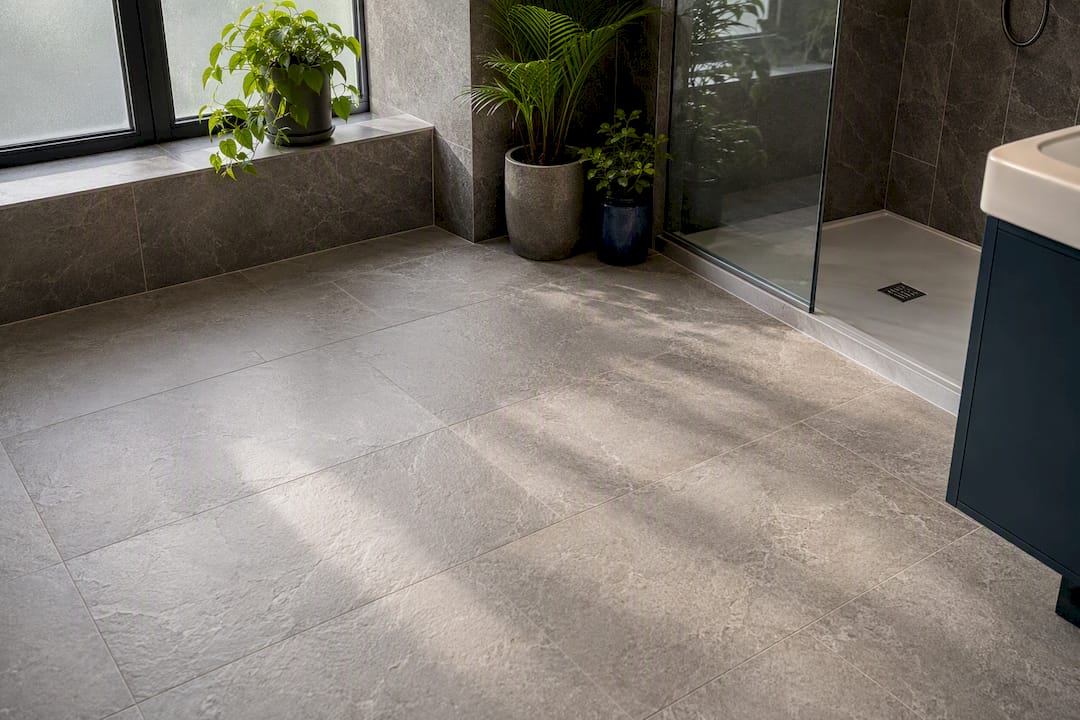
Tanked wetrooms often suit electric better, since mats sit above the waterproofing without extra pipe routing. If you go with wet in a wetroom, keep pipes clear of toilet fixings and follow the tray manufacturer’s routing guidance closely, since a puncture there is expensive to fix.
What Should You Ask an Installer Before You Sign a Quote?
A proper survey covers more than measuring the floor. Ask for a heat-loss calculation for the room, a subfloor inspection, and confirmation of floor-height tolerance under doors before anyone commits to a system.
At quote stage, get clear answers on these points:
- Who signs off the Part P notification, and is that cost included in the quote?
- What commissioning tests happen on a wet system, and will you see the pressure-test results?
- What’s covered under warranty, and for how long?
- Are insulation boards included, or are they an extra line item added later?
Pro Tip: Get the heat-loss calculation in writing before you accept any quote. Installers who skip it are usually guessing at mat wattage or pipe spacing, and guessing costs you either comfort or money later.
Watch for red flags: no pressure test mentioned for a wet system, vague promises about screed curing in “a few days,” no RCD protection specified, or a quote that seems too low against the ranges above. Those usually mean corners get cut somewhere you can’t see once the tiles go down.
What the Research Actually Supports
Most advice online treats this as a straight electric-versus-wet contest, as if one system wins outright. It doesn’t work that way. The honest answer depends entirely on what’s happening in the rest of the house, not just the bathroom.
If you’re renovating one bathroom in isolation, electric wins on cost, speed, and simplicity almost every time. The conventional wisdom oversells wet UFH’s efficiency advantage without mentioning that advantage only materializes with a heat pump attached. Bolt wet underfloor heating onto a gas boiler in a single bathroom, and you’ve paid more for a system that barely beats electric on running costs.
What gets underrated: the heat-loss calculation. Homeowners fixate on mat wattage or pipe spacing when the bigger risk is undersizing the system for a poorly insulated Victorian bathroom with a bay window. Get that number right first. Everything else, tile choice, thermostat brand, screed versus overlay, is secondary to sizing the system for the room you actually have.
— Cameron
Get a Local Survey From Jmplumbingservicesltd
Jmplumbingservicesltd gives Cardiff and Vale of Glamorgan homeowners a direct route to underfloor heating done right the first time, with no separate contractors to coordinate between electrician, plumber, and tiler.
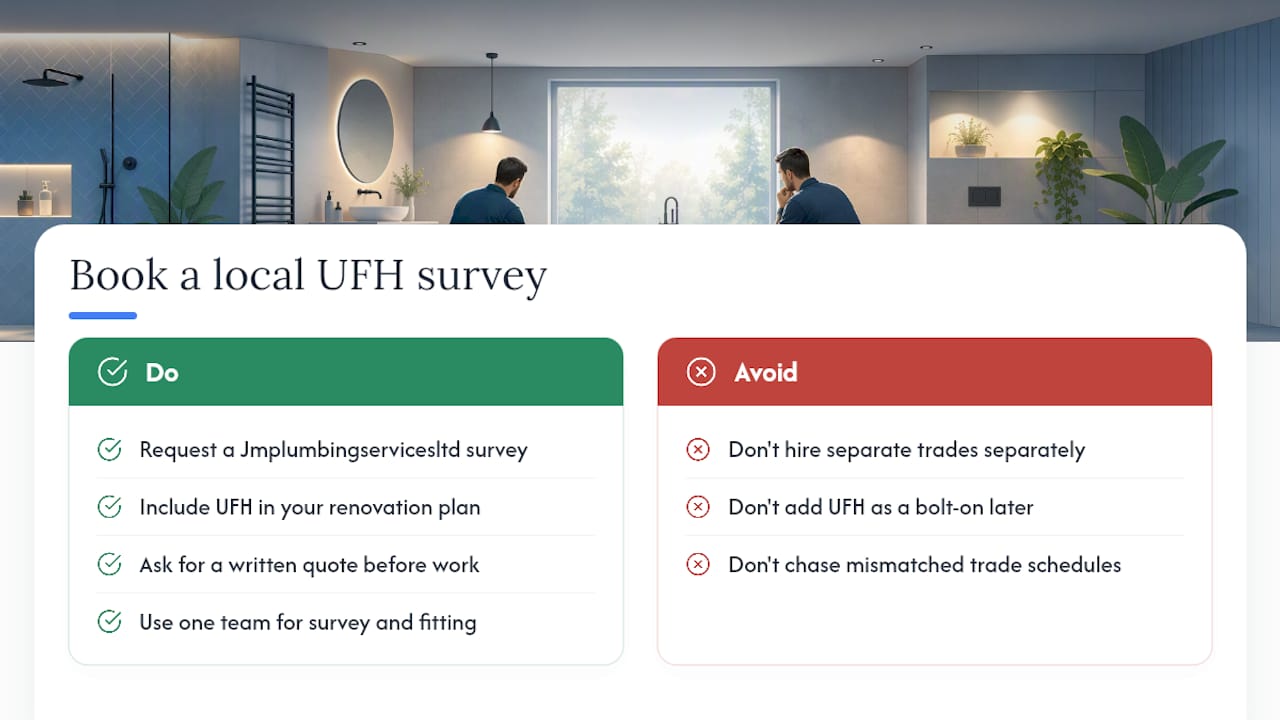
A survey with Jmplumbingservicesltd covers the heat-loss calculation, subfloor inspection, and Part P compliant electrical work under one team, with tiling coordinated alongside so you’re not chasing three trades on three different schedules. That matters more than it sounds. The most common installation delays come from mismatched availability between trades, not the heating system itself. You’ll get a written quote covering insulation boards, thermostat placement, and aftercare before any work starts, and the same team that surveys your bathroom fits it.
If you’re planning a bathroom renovation and want underfloor heating included from the start rather than bolted on afterward, request a survey through Jmplumbingservicesltd’s main booking page or browse the bathroom renovation services in Cardiff to see how UFH fits into a fuller remodel.
Key Takeaways
Electric underfloor heating suits nearly every single-bathroom retrofit in the UK, while wet systems only justify their cost when tied to a heat pump or a whole-house install.
| Point | Details |
|---|---|
| Default to electric for one room | Electric mats cost £750 to £1,600 fitted and heat tiles in 20 to 40 minutes, ideal for single bathrooms. |
| Wet UFH needs a heat pump to pay off | Running costs only beat electric significantly when paired with a heat pump’s 3.5 to 4.5 COP. |
| Budget for screed cure time | Full liquid screed requires several weeks to cure; overlay panels can reduce that period for faster projects. |
| Get the heat-loss calculation first | Sizing the system correctly matters more than brand choice or thermostat features. |
| Book a local, single-team survey | Jmplumbingservicesltd surveys, sizes, and installs bathroom underfloor heating across Cardiff and the Vale of Glamorgan under one team. |
Further reading on the figures and guidance cited above: Warmup’s bathroom UFH guide, Bowmans’ 2026 wet vs electric cost comparison, G&M’s electric vs water installation notes, and PHPI’s wetroom installation guidance. For local services, see Jmplumbingservicesltd’s Cardiff bathroom fitters page and flooring options guide.
Sources
- Underfloor Heating for Your Bathroom - Warmup
- Bathroom Underfloor Heating: Wet vs Electric, Cost vs Benefit (UK 2026) | Bowmans
- Underfloor heating for bathrooms: Electric vs water | G&M
- Installing UFH in bathrooms and wetrooms - PHPI Online